


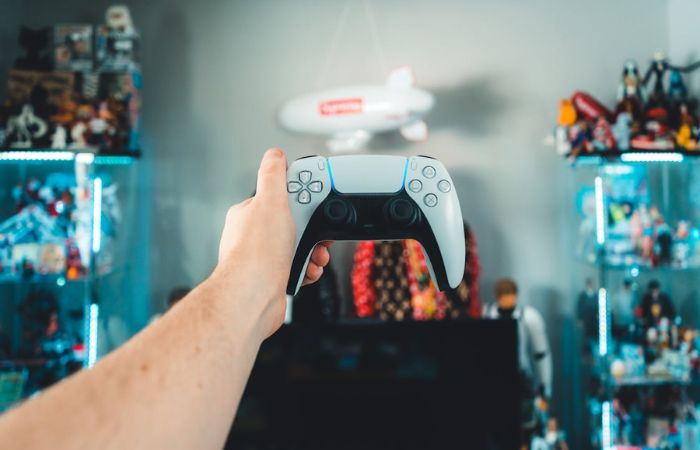
Video gaming has become one of the most influential forms of entertainment in the modern world. What once started as simple pixel-based games has now evolved into immersive experiences that combine storytelling, technology, creativity, and competition. People of all ages enjoy gaming for relaxation, social interaction, skill development, and pure enjoyment. Today, gaming is not just a hobby—it is a global culture.

Gaming connects people across borders and backgrounds. Players interact with friends, compete with strangers, and form communities that share the same passion. From casual mobile games to advanced console and PC experiences, video gaming offers something for everyone. It encourages strategic thinking, teamwork, creativity, and quick decision-making.
Technology has played a major role in shaping gaming experiences. Improved graphics, realistic sound, and advanced controls make games more engaging than ever. As gaming continues to grow, new forms such as virtual reality and interactive sports experiences are redefining how players engage with digital worlds.
🕶️ VR Gaming: Stepping Into Virtual Worlds
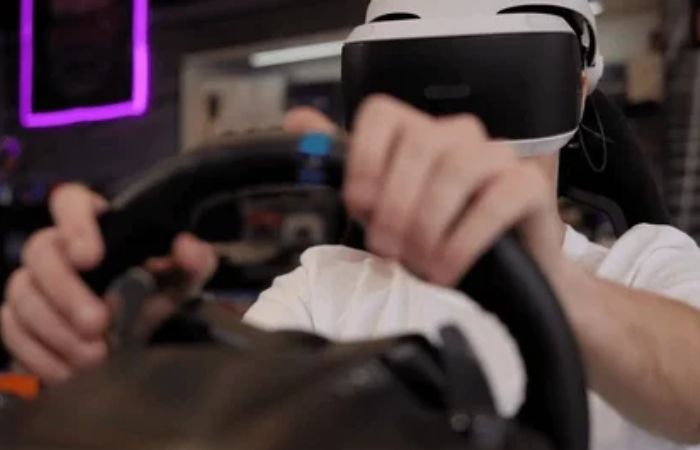
Virtual Reality (VR) gaming represents the future of interactive entertainment. Instead of watching the game on a screen, players step inside the experience. VR headsets allow users to look around, move freely, and interact with digital environments in a realistic way. This level of immersion creates powerful and memorable gaming moments.
VR gaming is popular for adventure, simulation, exploration, and action-based experiences. Players can explore fantasy worlds, race vehicles, solve puzzles, or participate in realistic training simulations. Although VR requires special equipment, its ability to blur the line between real and virtual worlds makes it one of the most exciting developments in gaming.
🕹️ Video Games: Stories, Strategy, and Skill
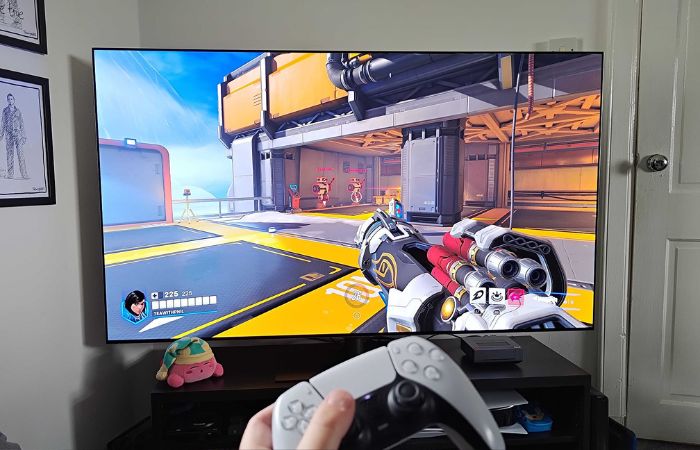
Traditional video games remain the heart of the gaming industry. Played on consoles, PCs, or handheld devices, video games offer endless genres including action, adventure, role-playing, racing, simulation, and strategy. Some games focus on storytelling, while others emphasize competition or problem-solving.
Video games allow players to challenge themselves, improve skills, and explore creative narratives. Many modern games also offer multiplayer modes, enabling players to connect with others worldwide. Whether played alone or with friends, video games provide entertainment that adapts to different moods and interests.
🎲 Physical Games: Gaming Beyond Screens
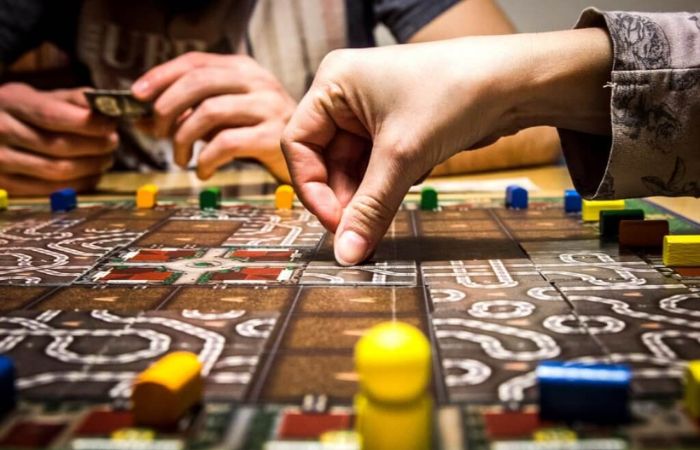
Physical games remain an important part of gaming culture. Board games, card games, tabletop games, and traditional physical gaming experiences encourage face-to-face interaction. These games strengthen social bonds, improve communication skills, and create shared memories.
Unlike digital games, physical games rely on imagination, strategy, and personal interaction. They are popular during family gatherings, social events, and friendly competitions. Physical games balance screen time while keeping the spirit of gaming alive in real-world settings.
⚽ Sports Gaming: Competition Meets Technology

Sports gaming combines the excitement of real-world sports with digital gameplay. These games simulate popular sports such as football, basketball, cricket, racing, and more. Players can control teams, manage careers, or compete in tournaments, bringing sports excitement into digital form.
Sports games attract both gamers and sports fans. They help players understand rules, strategies, and teamwork while offering competitive challenges. Whether played casually or competitively, sports gaming builds focus, coordination, and quick reflexes.
🌐 Gaming as a Social Experience

Gaming is no longer a solo activity. Online gaming allows players to communicate through voice chat, messaging, and live streaming. Communities form around shared interests, tournaments, and cooperative missions. Gaming friendships often extend beyond the screen, creating lasting connections.
Streaming platforms and esports have transformed gaming into a spectator experience as well. Millions of people watch professional gamers compete, learn strategies, and enjoy entertainment created by skilled players. This growth has turned gaming into a respected digital industry.
🧠 Skills and Benefits of Gaming
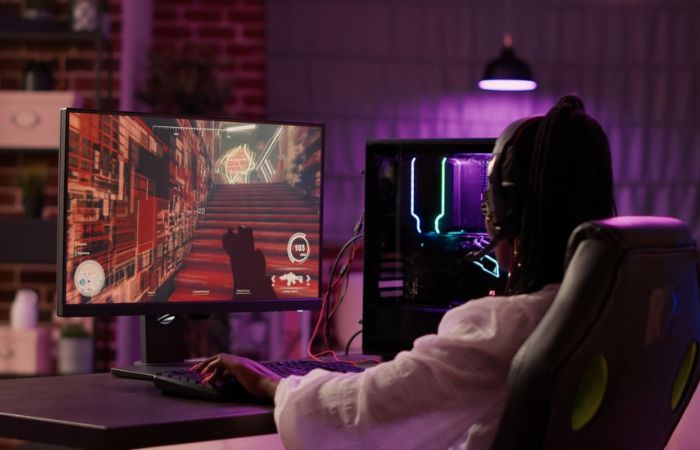
Video gaming helps develop valuable skills. Problem-solving, critical thinking, hand-eye coordination, and teamwork are common benefits. Many games encourage creativity, planning, and adaptability. When played in moderation, gaming can support mental engagement and relaxation.
Gaming also provides stress relief. After long routines, playing games helps people unwind and recharge. Balanced gaming habits promote enjoyment without affecting daily responsibilities.
🌟 Final Thoughts
Video gaming continues to evolve as a powerful form of entertainment and interaction. From immersive VR gaming to traditional video games, physical games, and sports-based experiences, gaming offers diversity and excitement for everyone. It brings people together, challenges minds, and creates moments of joy and competition.
As technology advances, gaming will keep expanding its influence on culture, creativity, and communication. When enjoyed responsibly, video gaming becomes more than entertainment—it becomes a meaningful part of modern life.